

Shaving Brush Market Segmentation: Premium vs. Budget - Friendly Options
Shaving Brush Market Segmentation: A Deep Dive into Premium and Budget-Friendly Options
The global shaving brush market is experiencing a notable resurgence, driven by a growing interest in traditional grooming rituals and the rise of men’s self-care culture. As demand diversifies, the market has clearly segmented into two distinct categories: premium and budget-friendly options. Understanding these segments is key for both consumers and manufacturers, as each caters to unique needs, preferences, and price points.
The Premium Shaving Brush Segment: Craftsmanship and Luxury
Premium shaving brushes are defined by their high-quality materials, artisanal craftsmanship, and focus on delivering an exceptional grooming experience. At the heart of these brushes lies the bristle material, with badger hair reigning supreme. Silvertip badger hair, sourced from the neck of the badger, is the gold standard—known for its softness, water retention, and ability to create a rich, creamy lather. Other premium bristle options include super badger and best badger, offering slightly different textures but maintaining top-tier performance.
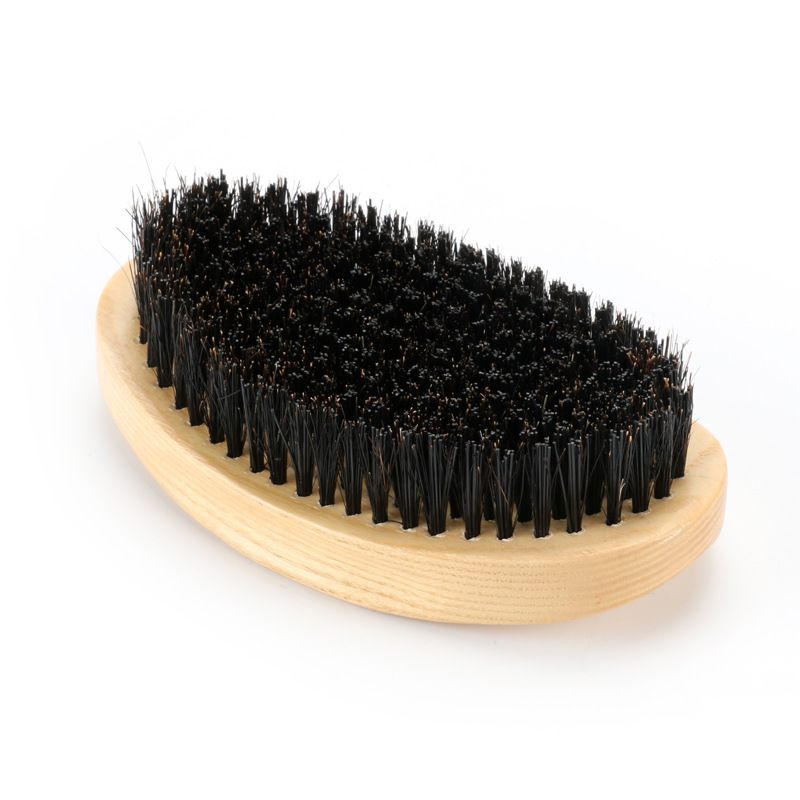
Handles in the premium segment are equally精致 (exquisite), often crafted from luxury materials like rosewood, ebony, or polished metal (such as chrome or brass). Many are hand-turned by skilled artisans, ensuring unique designs and a comfortable grip. Brands like Edwin Jagger, Mühle, and Simpson are synonymous with this segment, pricing their brushes between $50 and $200+, with limited-edition or rare material models exceeding $300.
Target users here are grooming enthusiasts, collectors, and individuals who view shaving as a ritual rather than a chore. They prioritize longevity (a well-cared-for badger brush can last 10+ years) and sensory experience, valuing the soft bristle feel against the skin and the ritual of lathering.
The Budget-Friendly Shaving Brush Segment: Accessibility and Practicality
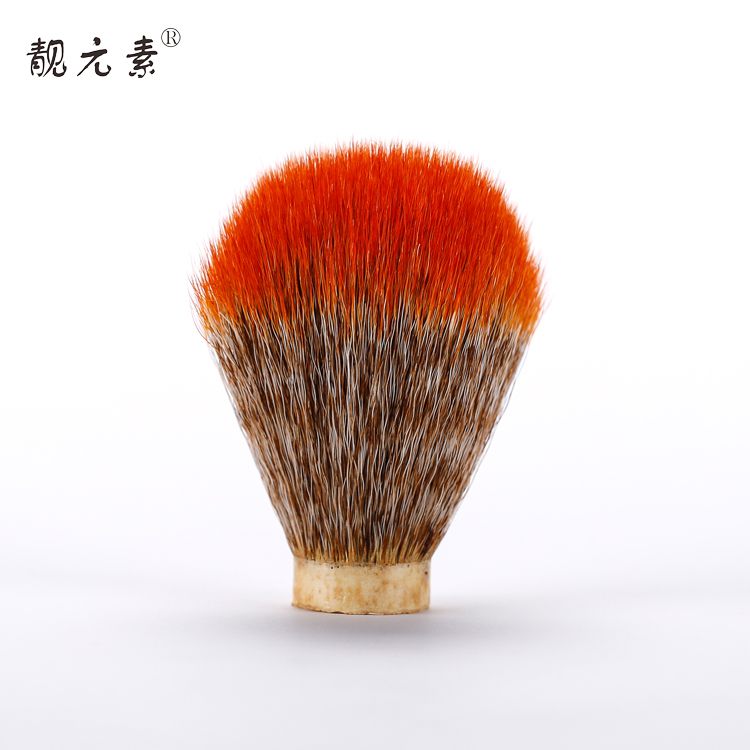
In contrast, budget-friendly shaving brushes focus on affordability and functionality, making traditional shaving accessible to a wider audience. Synthetic bristles dominate this category, with modern advancements narrowing the gap in performance. High-quality synthetic fibers, such as those made from nylon or polyester, mimic the lathering ability of natural hair while offering benefits like quick drying, resistance to mildew, and cruelty-free sourcing—appealing to eco-conscious consumers.
Handles in budget options are typically made from durable plastics, resin, or lightweight woods, designed for mass production and everyday use. Brands like Omega, Parker, and Yaqi lead this segment, with prices ranging from $10 to $40. These brushes are ideal for beginners testing the waters of traditional shaving, travelers seeking a compact option, or those on a tight budget who still want to upgrade from disposable razors.
Key Differences and Market Trends
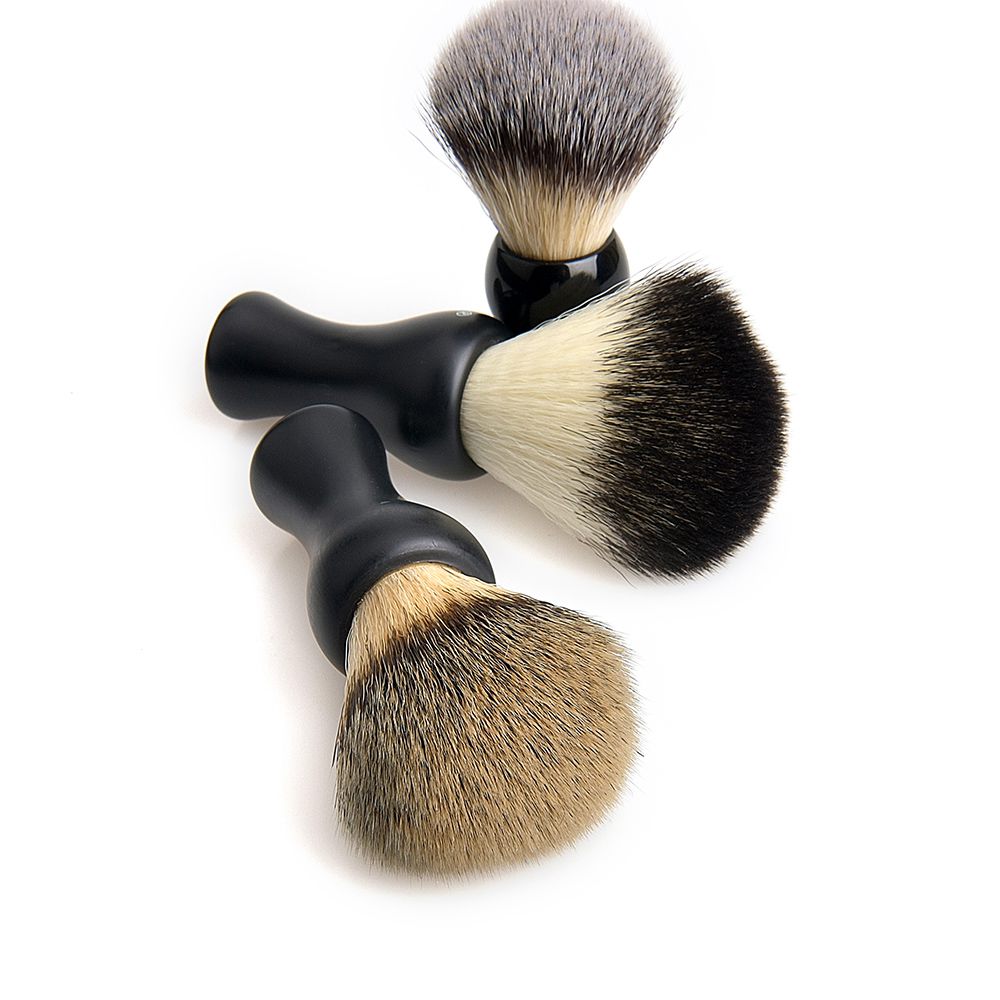
The divide between premium and budget segments extends beyond price. Premium brushes excel in lather quality and sensory comfort, thanks to natural bristles’ ability to absorb and distribute water evenly. However, they require more maintenance—air-drying to prevent bristle damage and occasional cleaning with mild soap. Budget brushes, with synthetic bristles, are low-maintenance, quick to dry, and often more durable in humid environments.
Market data reflects this segmentation: while budget-friendly options hold a larger market share (driven by price sensitivity and入门级 demand), the premium segment is growing faster. This growth is fueled by a “slow grooming” movement, where consumers invest in long-lasting, high-quality tools. Additionally, sustainability is becoming a unifying trend—premium brands are exploring ethically sourced badger hair, while budget brands highlight recyclable handle materials and vegan synthetic bristles.
Conclusion
The shaving brush market’s segmentation into premium and budget-friendly options ensures there’s a brush for every consumer. Premium models cater to those seeking luxury, tradition, and craftsmanship, while budget options make traditional shaving accessible and practical. As technology improves synthetic bristle performance and sustainability becomes a key differentiator, the lines between segments may blur—but for now, understanding these categories helps both buyers and manufacturers navigate a market that celebrates both heritage and innovation.


